Bags, cartons or insulated boxes: choosing your produce pack
Compare three packaging formats and prepare a specification around your produce, packing operation and destination.
Source version is the date of the archived Chinese file, not a verified original publication date.
“Which bag should we buy?” is often the first question. A more useful starting point is what happens to the produce between packing and sale. The outer format, film specification and handling method need to fit that journey together.
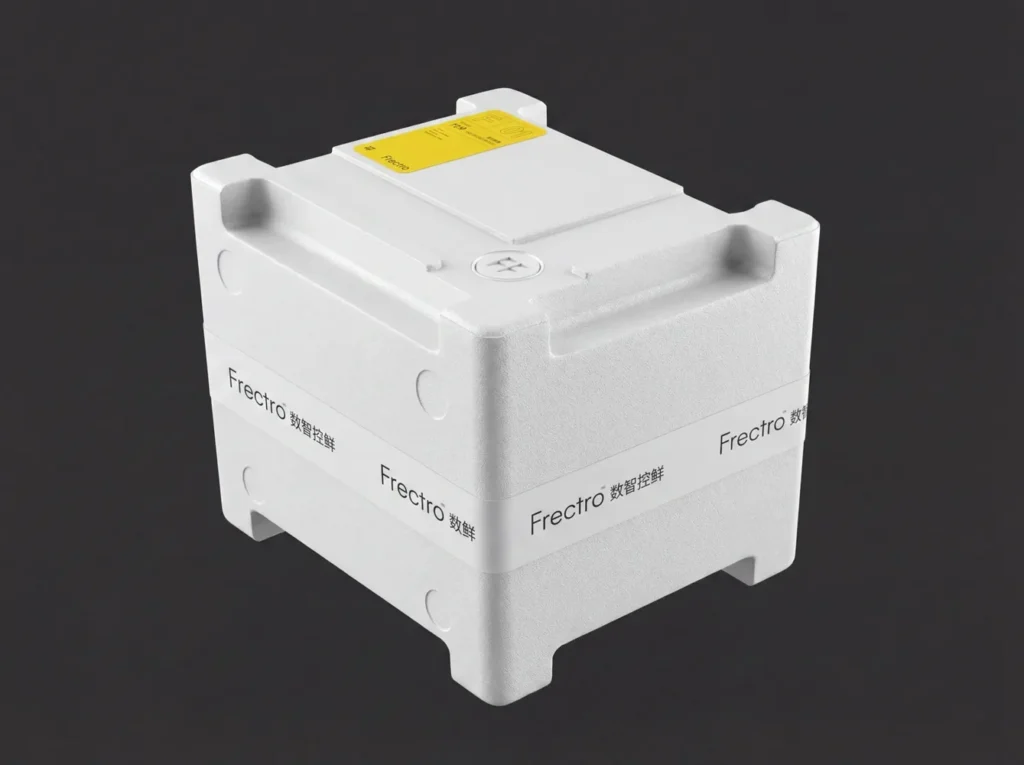
Frectro’s selection guide presents three formats: FC-D bags, FC-Z cartons and FC-P insulated EPS boxes. Treat them as starting points for a specification discussion, rather than fixed recommendations for every fruit in a category.
Start with the route and the pack
Prepare a short brief with the variety, origin, maturity, fill weight, storage conditions and expected time to sale. Include your existing packaging and the problem you most want to reduce: physical damage, appearance changes, weight loss or rejected deliveries.
Be specific about where the problem appears. Damage after repeated handling points to different questions from a complaint after retail display. Include photos of the current packing arrangement and the receiving inspection, when available.
Compare the three formats
| Format | Where to start | Check before ordering |
|---|---|---|
| FC-D / Fresh-control bag | A bag or liner configuration around a defined quantity of produce. | Dimensions, fill weight, sealing method, film specification and fit inside the outer pack. |
| FC-Z / Fresh-control carton | A carton format combining structural packaging with the proposed film configuration. | Box dimensions, stacking conditions, ventilation, internal arrangement and handling protection. |
| FC-P / Insulated EPS box | An insulated outer format where the route calls for thermal protection. | Internal space, produce temperature, any cooling arrangement, pack-out method and destination requirements. |
A bag and a box can be used together. The choice is not always between three competing products: an outer pack and an inner film may address different parts of the same handling task.
Avoid three selection shortcuts
Choosing only by fruit name
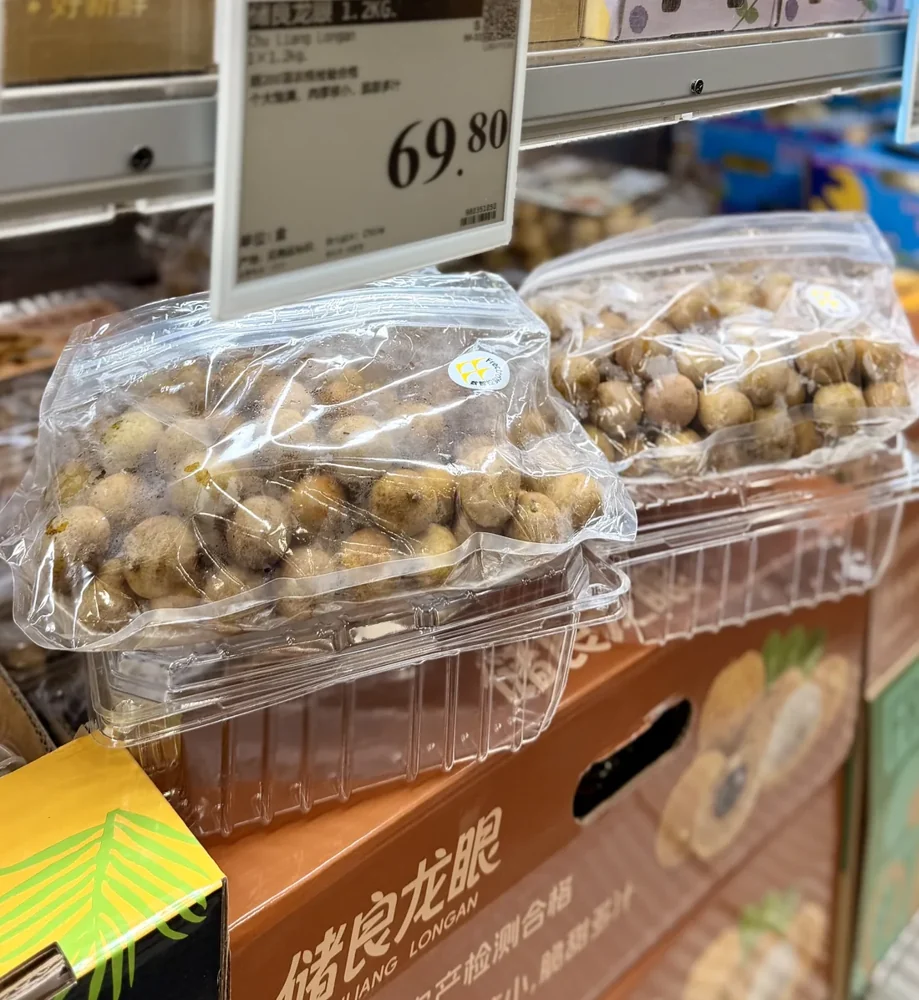
Two shipments of longan may use different pack weights, temperatures and sales windows. A crop name alone does not tell a supplier enough to select the final film configuration.
Assuming thicker film is the answer
Ask for the proposed specification and its application evidence. Thickness, transparency or a visual impression of strength should not replace a review of how the complete pack performs under the intended conditions.
Treating insulation as refrigeration
An insulated box does not establish the correct starting temperature or the required cold-chain procedure. Confirm the complete temperature-management plan and include the pack-out arrangement in the trial.
Check the pack at the packing line
Before scaling up, run the proposed configuration through the steps your operators actually use. Confirm how it is filled and closed, how it fits the outer packaging, and what happens during stacking and unpacking.
- Record the approved components and dimensions.
- Make the filling and sealing instructions clear to operators.
- Check the package after representative handling.
- Include labour, materials and saleable output in the cost comparison.
Ask for material documentation relevant to the exact configuration and market. Confirm the dimensions, fill weight and components of your chosen configuration in the quotation.
Approve with a comparison trial
Use your current packaging as the baseline, with comparable produce and conditions. Decide in advance how you will assess arrival quality and the remaining sales window.
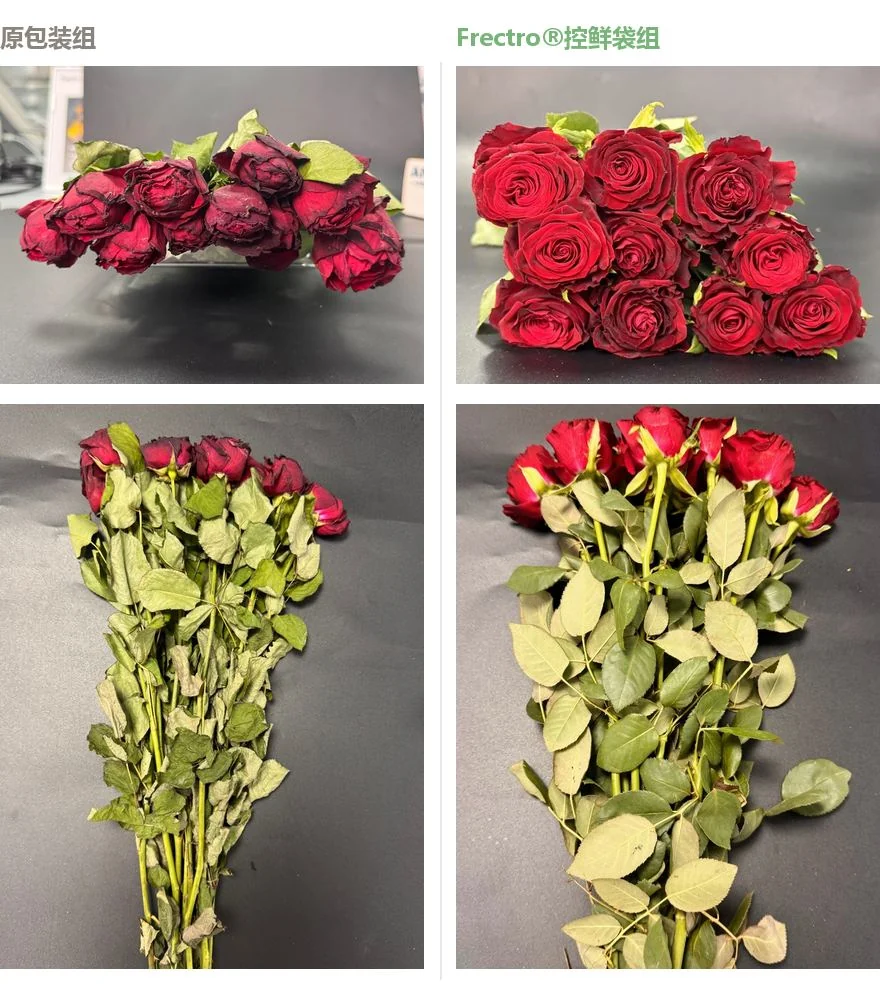
A useful result is a documented answer to your operating question, not simply a striking before-and-after picture. Record the starting quality, packaging configuration, temperature history and agreed inspection criteria so the comparison can inform your decision.
Explore the current product pages for bags, cartons and insulated EPS boxes, then share your packing brief.
Your produce. Your route.
Put the next question to the test.
Tell us what you pack, where it travels and the quality you need at arrival. Start with a comparison using your current packaging.
Discuss a trial